
Understanding the psychology behind gambling What drives our addiction
The Allure of Gambling
Gambling offers an exciting mix of risk and reward, which can be incredibly appealing to many individuals. The thrill of potentially winning large sums of money creates a rush of adrenaline that is hard to resist. This excitement, combined with the unpredictability of outcomes, feeds into a natural desire for novelty and adventure, making monoplay casino in worldwide an enticing choice for aspiring players.
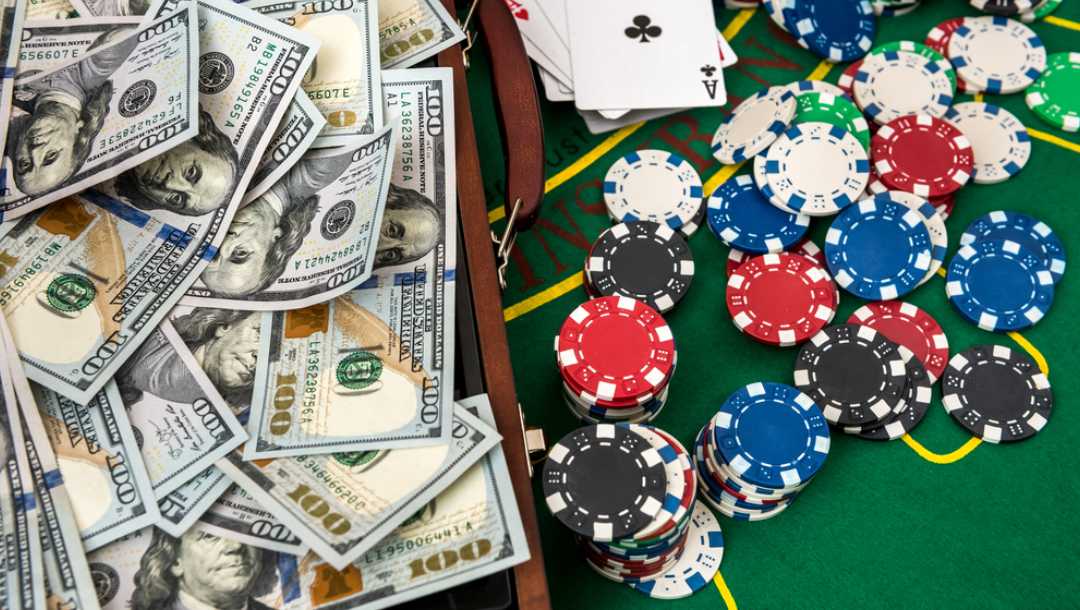
The psychological impact of this allure is amplified by the concept of intermittent reinforcement, where players receive rewards sporadically. This unpredictability keeps individuals engaged, as the brain releases dopamine—a neurotransmitter associated with pleasure—when they experience wins, reinforcing the behavior and encouraging further gambling.
The Role of Cognitive Biases
Cognitive biases significantly influence gambling behaviors, often leading individuals to misinterpret outcomes or overestimate their chances of winning. One common bias is the illusion of control, where gamblers believe they can influence outcomes through their actions, despite the inherent randomness of games. This false sense of control can lead to excessive gambling as individuals chase losses or seek to validate their strategies.
Another significant bias is the gambler’s fallacy, where individuals assume that past events will influence future outcomes. For instance, after a series of losses, a gambler may believe that a win is «due,» leading them to continue playing in hopes of an eventual payoff. These biases play a crucial role in perpetuating gambling addiction and can significantly distort decision-making processes.
The Emotional Triggers of Gambling
Emotional states often drive individuals to gamble as a means of coping or escape. Many people turn to gambling during times of stress, anxiety, or depression, viewing it as a way to distract themselves or alleviate negative emotions. The temporary highs associated with gambling can provide a fleeting sense of relief, reinforcing the behavior and creating a cycle of dependency.
Moreover, social influences and peer pressure can also act as emotional triggers. Many individuals find themselves gambling to fit in or connect with others, leading to increased participation in risky behaviors. This social dynamic can further entrench gambling habits, making it difficult for individuals to recognize when their gambling has crossed the line into addiction.
Responsible Gambling Practices
Understanding the psychology behind gambling is essential for promoting responsible gambling practices. Education plays a vital role in equipping individuals with the knowledge to recognize the signs of problem gambling. Setting limits on time and money spent gambling can help individuals maintain control and enjoy the activity without falling into detrimental habits.
Support systems, such as counseling and peer support groups, are crucial for those struggling with gambling addiction. These resources provide individuals with the tools to address their behaviors and foster healthier coping mechanisms, ultimately aiding in the recovery process. Responsible gambling initiatives aim to create a safer environment for players, emphasizing moderation and awareness.

Explore Your Gaming Options with Us
At MonoPlay Casino, we understand the importance of a responsible and enjoyable gaming experience. Our platform not only offers an extensive selection of games from top providers but also promotes responsible gambling practices. We encourage players to take advantage of our resources and tools designed to help manage their gaming experience effectively.
Join us today and immerse yourself in an exciting gaming environment where fun and responsibility go hand in hand. Our commitment to providing support and promoting healthy gaming habits ensures that your experience is enjoyable and within safe boundaries.
